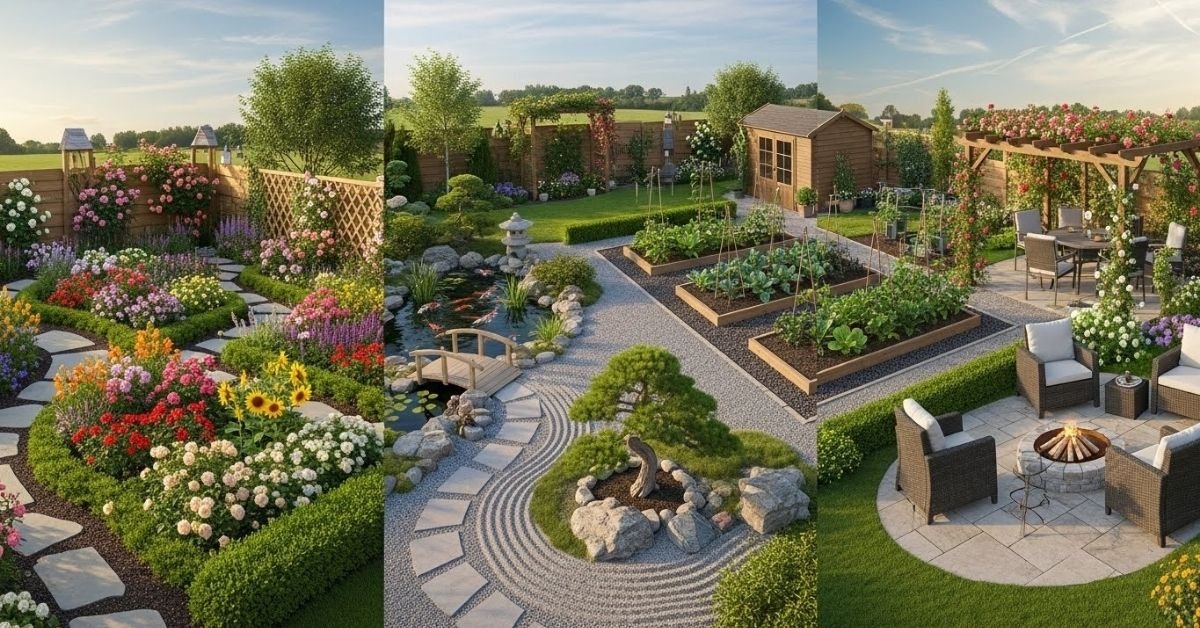
When you step outside your back door, what do you see? For many of us, the garden is a single, large space that often feels a bit undefined. We might have a patio table in the middle of a lawn, surrounded by fences, and call it done.
However, treating your outdoor space as one giant room can actually make it feel smaller and less usable. Just as our homes have distinct rooms for cooking, sleeping, and relaxing, our gardens benefit immensely from being divided into specific areas or “zones.” This approach, known as garden zoning, is a powerful design tool that can completely revolutionize how you use your exterior space. It creates a sense of journey, mystery, and purpose, making even the smallest backyard feel like a grand estate.
Contents
Understanding the Concept of Garden Zoning
The philosophy behind zoning is simple yet transformative. By breaking up your garden into distinct areas, you create pockets of activity that cater to different moods and needs. Instead of looking out at a flat expanse of grass, your eye is drawn to different destinations. This technique adds depth and intrigue, as you cannot see everything at once. It encourages exploration and movement. Creating these zones doesn’t require building brick walls or solid barriers. You can achieve separation through clever planting, changes in ground materials, or the strategic placement of furniture and pots. The goal is to maximize the utility of every square inch of your land, turning wasted corners into favorite hangouts.
1. The Al Fresco Dining Room
One of the most practical and enjoyable zones you can create is a dedicated area for eating outdoors. This goes far beyond simply placing a table on the patio. To make it feel like a true “room,” you need to define its boundaries. Start by choosing a location that is convenient to the kitchen—nobody wants to carry hot dishes across the entire length of the garden.
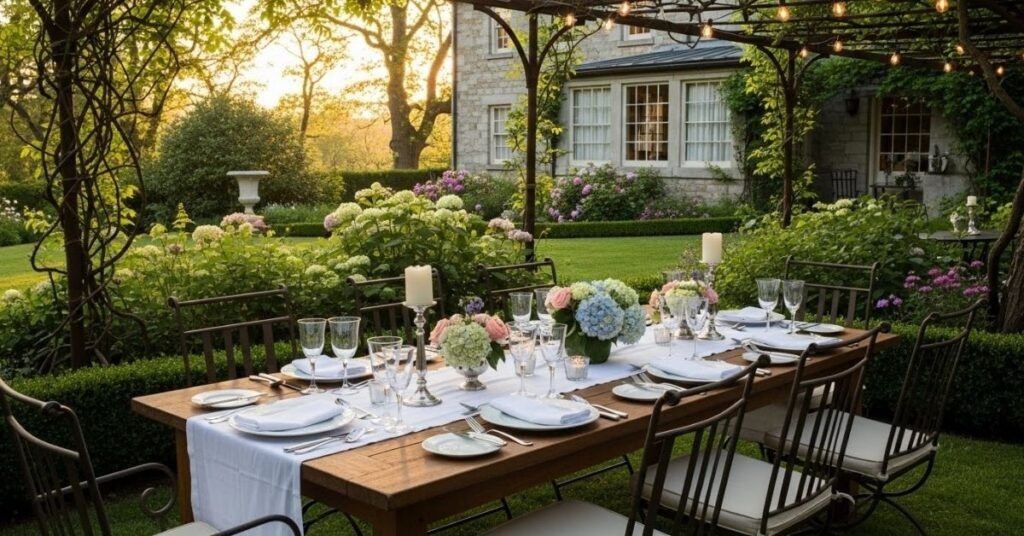
Once you have the spot, think about how to enclose it slightly to create intimacy. An overhead structure, such as a wooden pergola or a shade sail, acts as a ceiling. This not only provides relief from the midday sun but also creates a cozy, protected atmosphere that encourages guests to linger long after the meal is finished. Flooring is also crucial here. Using a distinct paving stone or outdoor rug under the table visually anchors the furniture and separates the dining zone from the rest of the garden. Surrounding the perimeter with planters filled with fragrant herbs like rosemary, thyme, or lavender adds a sensory layer to your dining experience, engaging your sense of smell as well as taste.
2. The Deep Relaxation Sanctuary
Life can be busy and noisy, so having a quiet corner to escape to is a luxury worth cultivating. The relaxation zone serves a completely different purpose than the social dining area. This space is about solitude, reading, napping, or simply staring at the clouds.
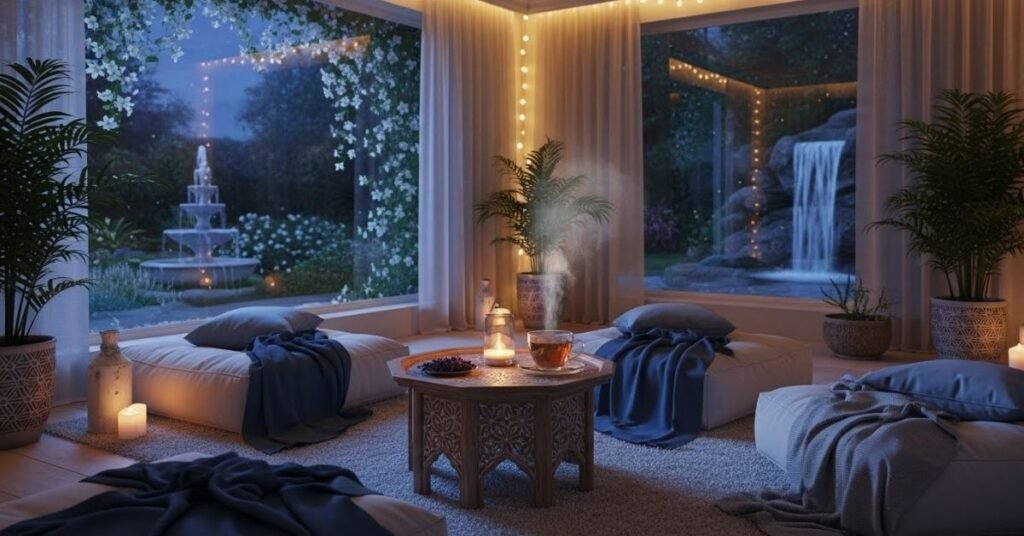
Locate this zone in a more secluded part of the garden, perhaps tucked away in a corner that gets lovely late-afternoon sun or sits under the dappled shade of a mature tree. Privacy is the key ingredient here. You want to feel hidden away from the world, and even from the main house. You can achieve this seclusion using trellis panels adorned with climbing plants like jasmine or honeysuckle. These living walls muffle sound and block sightlines, creating a green cocoon.
Furnish this area with comfort in mind. A hammock strung between two posts, a deep-seated lounge chair, or a swinging daybed are perfect choices. Keep the planting here lush and soothing, focusing on greens and whites rather than bright, stimulating colors. Soft solar lighting or lanterns hung from branches can turn this sanctuary into a magical retreat as evening falls, allowing you to unwind under the stars.
3. The Productive Kitchen Garden
For those who love to cook or get their hands dirty, a kitchen garden zone is an essential addition. Separating your vegetable and fruit growing area from your leisure spaces keeps the garden looking tidy and organized. A productive zone often involves tools, soil bags, and plants in various stages of growth, which might not always be the view you want while sipping wine with friends.
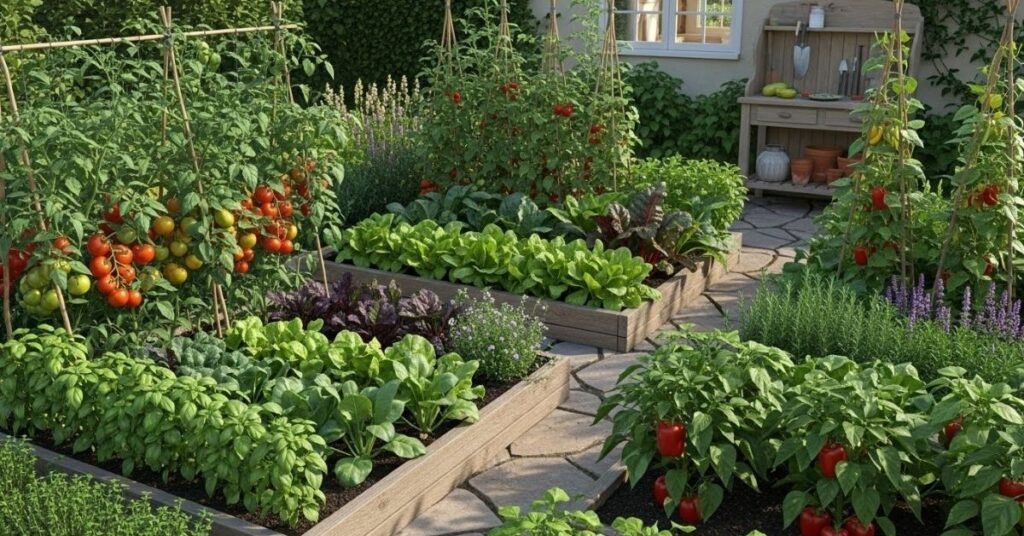
raised beds are a fantastic way to define this zone. Building beds from timber sleepers or stone creates clear geometric lines that look smart and structured. They also make tending to your crops easier on your back. To distinguish this working zone from the rest of the garden, consider changing the ground cover. If your main garden is lawn or paving, use gravel or wood chips for the paths between your vegetable beds. This crunch underfoot signals a change in function. Even in a small space, you can create a vertical kitchen zone using a sunny wall fitted with shelves for pots of salad leaves, strawberries, and herbs. This creates a wall of edible greenery that is both beautiful and functional.
4. The Creative Play Zone
Families with children often struggle to balance the need for play equipment with the desire for a stylish adult garden. Zoning offers the perfect compromise. Instead of letting toys dominate the entire lawn, designate a specific area for play. The challenge is to integrate this zone into the landscape so it feels like part of the garden rather than a separate playground.
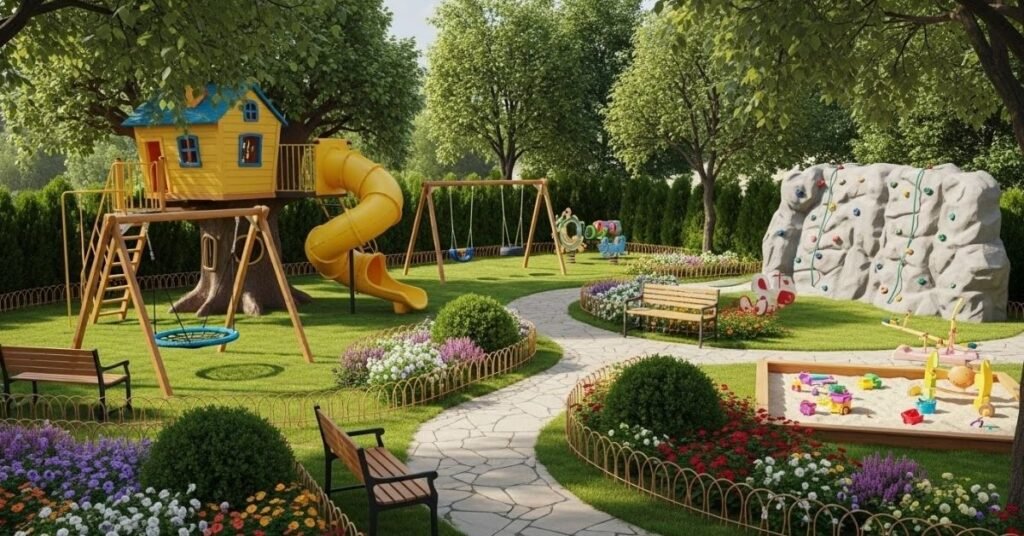
Think about natural play elements. A willow tunnel or a den made from living plants provides endless entertainment and looks attractive throughout the seasons. If you need a trampoline, consider sinking it into the ground so it doesn’t block the view. Define the play zone with a durable surface like bark chips or a robust clover mix that can withstand heavy foot traffic. You can screen this area slightly with tall grasses or low hedging, allowing adults to supervise from a distance without staring directly at a pile of plastic toys. This separation creates a sense of independence for the children while maintaining the aesthetic integrity of the overall design.
5. The Water and Mindfulness Zone
Water brings a unique energy to a garden. It reflects the sky, adds movement, and creates soothing sounds that mask traffic noise. Creating a zone centered around water creates an instant focal point for mindfulness and calm. This doesn’t necessarily mean digging a huge koi pond. A simple, self-contained water feature, a bubbling pebble fountain, or a sleek, reflective water bowl can be just as effective.
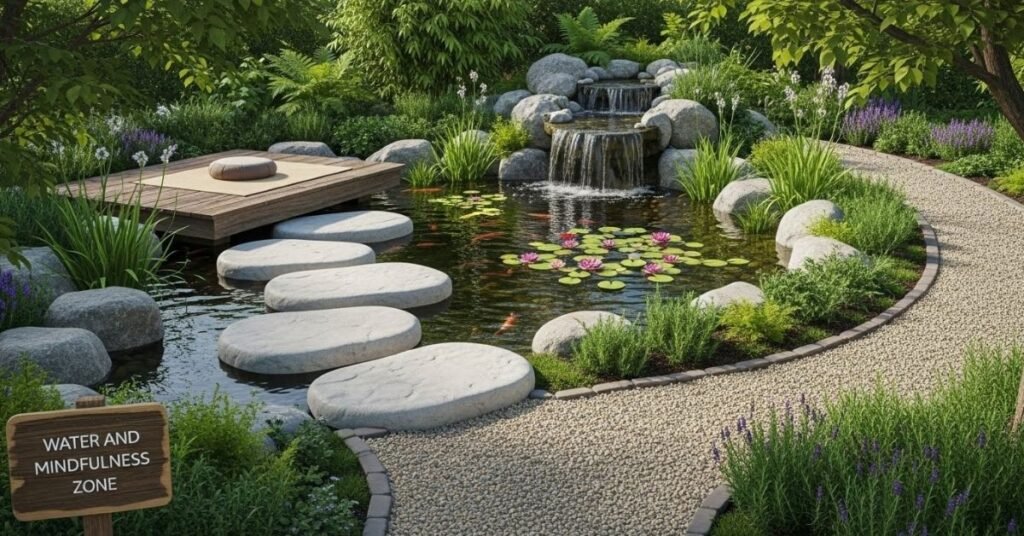
Place this feature in a spot where you can sit and observe it. A simple bench or a stone seat nearby invites you to pause. Surround the water with moisture-loving plants like ferns, hostas, and irises to create a lush, cool atmosphere that feels distinct from the dry, sunny areas of the garden. The sound of trickling water naturally draws people in, making this zone a magnet for anyone needing a moment of peace. It acts as a pause button in your landscape, slowing down the pace and encouraging you to breathe deeply.
6. The Evening Fire Pit Lounge
Extending the use of your garden into the evening and the cooler months is easily achieved with a fire pit zone. There is something primal and comforting about gathering around a fire. This zone is all about warmth and conversation. It functions differently from the dining area; it is more casual, intimate, and focused on the center circle.
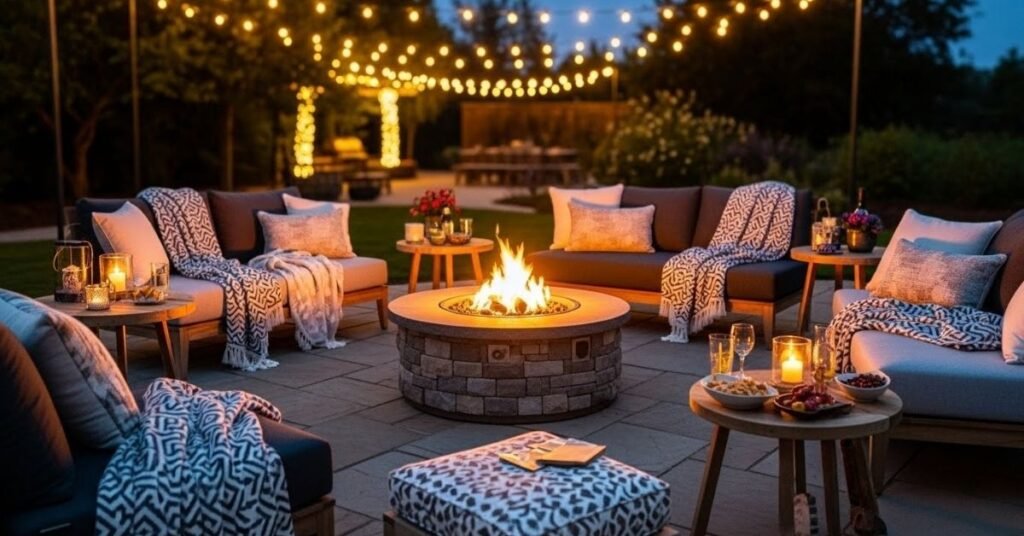
You can define this zone by changing the level of the ground. A sunken seating area, even just a foot lower than the rest of the garden, feels incredibly cozy and protected. If digging down isn’t feasible, you can create a similar effect with built-in bench seating that wraps around a fire bowl. High backs on the benches can act as windbreaks and privacy screens. Use warm materials like wood and cushions to soften the space. This zone comes alive at night, so consider the lighting carefully. The fire itself provides the main focus, but subtle uplighting on nearby trees or shrubs adds drama and prevents the feeling of sitting in a black void.
7. The Transitional Journey Zone
The final zone is often the most overlooked, yet it is vital for tying the whole design together. This is the transition zone—the paths and corridors that connect your various “rooms.” A garden isn’t just a collection of static destinations; it is also about the movement between them.
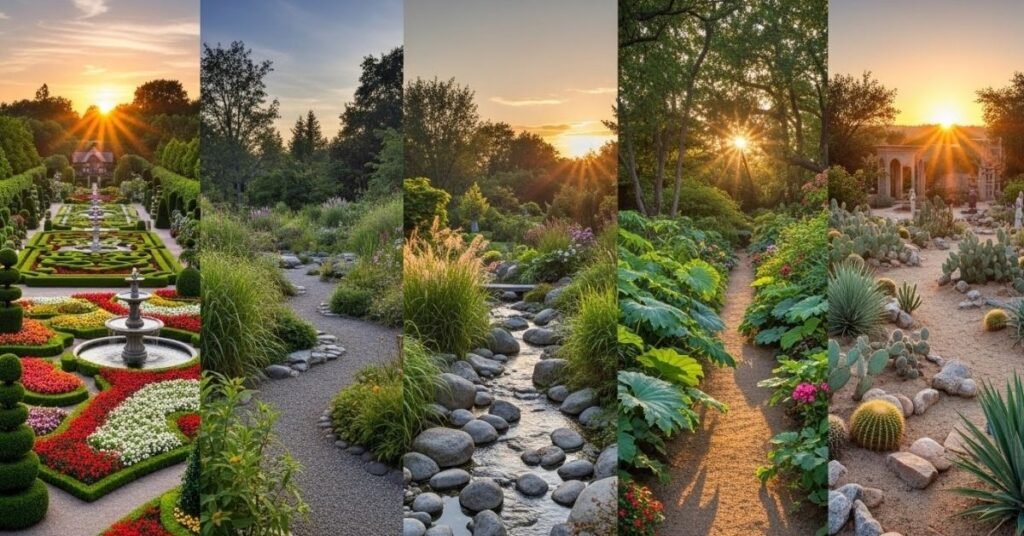
Treat the journey from the back door to the relaxation sanctuary or from the kitchen garden to the compost bin as an experience in itself. A winding path forces you to slow down and notice the details. Lining a walkway with tall ornamental grasses that sway in the breeze creates a dynamic, living corridor. You might install a series of arches covered in climbing roses that you must walk through to enter the next zone. This physical act of passing through an archway reinforces the feeling of entering a new space.
Changing the width of the path can also signal a transition. A wide, paved path might lead to the social dining area, while a narrow, stepping-stone path might lead to the secret reading nook. These subtle cues guide visitors through the garden and tell the story of how the space should be used.
Bringing It All Together with Cohesive Design
While zoning relies on separation, you want to avoid your garden looking like a patchwork quilt of mismatched ideas. A sense of cohesion is essential to make the design feel calm and considered. The trick is to use a consistent palette of materials and plants throughout the different zones.
If you use slate for the patio in the dining zone, perhaps use crushed slate for the paths in the kitchen garden. If you have timber raised beds, use the same timber for the bench in the relaxation area. Repeating certain key plants in different zones also helps to stitch the design together. For example, you might have lavender in pots by the dining table and a hedge of lavender bordering the play area. These repetitions create a visual rhythm that guides the eye smoothly from one area to the next.
Using Plants as Architecture
When we think of walls and ceilings, we usually think of bricks and plaster. In the garden, plants are your building materials. Trees, shrubs, and hedges form the structure of your outdoor rooms. Tall, columnar trees can act as pillars, marking the entrance to a zone. Hedges can be kept low to define a boundary without blocking the view, or grown tall to provide complete seclusion.
Bamboo is excellent for creating fast-growing, rustling screens that add movement and sound. Pleached trees (trees trained to grow on a flat plane like a stilt hedge) are fantastic for adding height and privacy above a fence line without taking up much width at ground level. Remember that these “walls” are living things. They change with the seasons, offering flowers in spring, lush green in summer, fiery colors in autumn, and architectural structure in winter. This ever-changing backdrop makes your garden dynamic and exciting.
Lighting for Atmosphere and Function
Lighting is the magic ingredient that allows your zones to function after the sun goes down. Each zone requires a different lighting approach. The dining area needs functional task lighting so you can see your food, perhaps from pendant lights in the pergola or bright wall lights. The relaxation zone, however, needs much softer, ambient light. Solar lanterns, fairy lights wound through branches, or low-level path lights create a gentle glow that doesn’t ruin the mood.
Spotlights can be used to highlight specific features, like a beautiful tree or a sculpture in the water zone, creating dramatic focal points. By putting different zones on different lighting circuits, you can control the atmosphere. You can illuminate only the dining area for a focused dinner party, or light up the whole garden to create a stunning backdrop viewed from the house.
The Importance of Flexibility
Finally, remember that your garden zones don’t have to be set in stone—literally or figuratively. Your needs will change over time. The sandpit in the play zone might eventually become a pond or a fire pit as the children grow up. The vegetable patch might turn into a cut-flower garden if you find you have less time for maintenance.
Designing with flexibility in mind allows your garden to evolve with you. Using movable planters and screens allows you to change the layout for special occasions. You might roll out a temporary screen to hide the play area during a sophisticated garden party, or move the fire pit to the center of the lawn for a big gathering. The best gardens are those that adapt to the lives of the people who use them. By embracing the concept of zoning, you are not just landscaping; you are creating a multi-functional living space that enhances your lifestyle and draws you outdoors to enjoy nature in comfort and style.