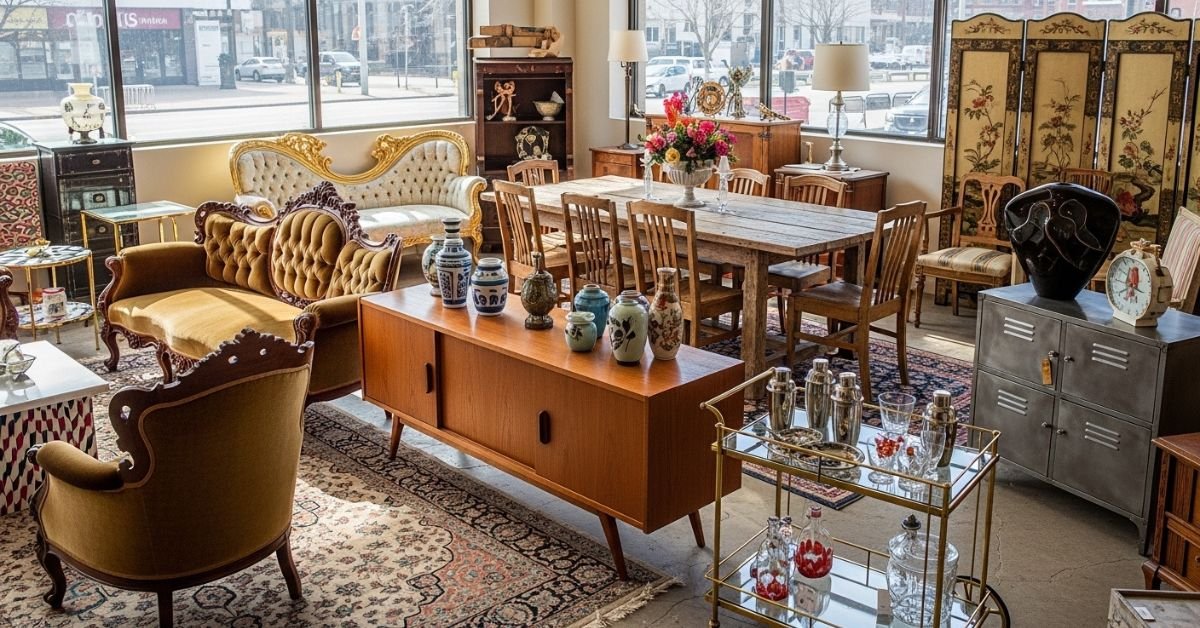
Vintage furniture has a timeless charm that can instantly elevate the aesthetic of any home. Unlike contemporary pieces, which often focus on minimalism and functionality, vintage furniture tells a story through its craftsmanship, design, and history. Whether you’re a seasoned collector or a homeowner looking to add character to your space, understanding vintage furniture styles is essential. This guide will explore various vintage styles, their characteristics, and practical design ideas to incorporate them into modern interiors.
Contents
What Is Vintage Furniture?
Vintage furniture generally refers to pieces that are at least 20–30 years old and reflect the design trends of their era. Unlike antiques, which are typically over 100 years old, vintage pieces often blend historical appeal with functionality suitable for contemporary living. They are celebrated for unique materials, craftsmanship, and the way they capture the essence of past decades.
Key features of vintage furniture include:
- High-quality craftsmanship and durable materials
- Distinctive design reflective of a specific era
- Patina, wear, or aging that adds character
- Unique shapes, textures, and detailing that differentiate them from mass-produced modern furniture
Incorporating vintage furniture into your home is not only a way to own functional art but also a sustainable choice, reducing the need for new manufacturing.
Popular Vintage Furniture Styles
Vintage furniture is diverse, with each style reflecting the cultural, social, and artistic trends of its time. Here are some of the most iconic styles:
1. Mid-Century Modern
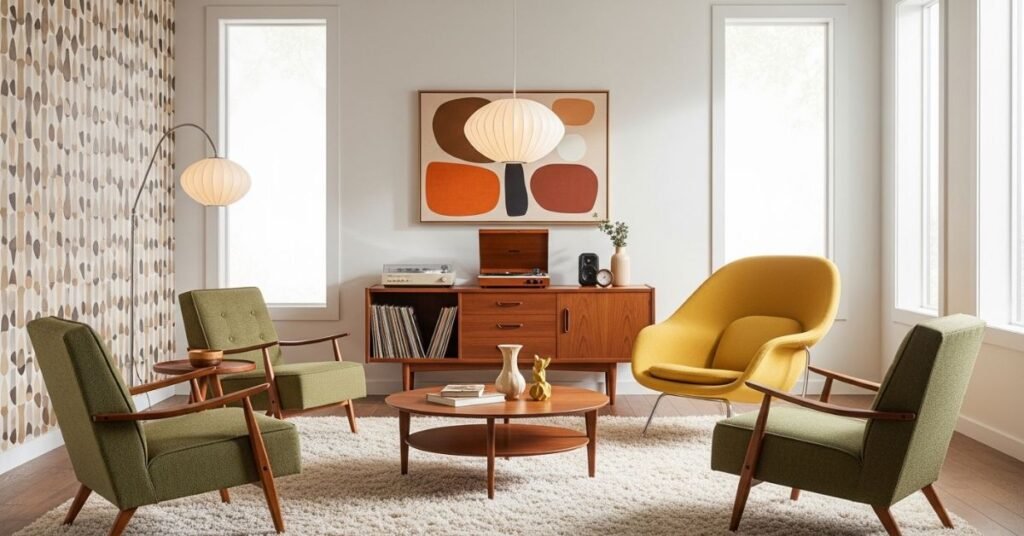
Era: 1940s–1960s
Key Features: Clean lines, tapered legs, organic shapes, and a mix of natural and synthetic materials.
Mid-century modern furniture focuses on simplicity and functionality while still offering elegance. Iconic pieces include Eames lounge chairs, teak sideboards, and minimalist coffee tables. This style pairs beautifully with neutral tones, bold geometric patterns, and natural textures in your living space.
Design Idea: Pair a teak mid-century sideboard with a contemporary rug and minimalist decor to create a cozy yet stylish living area.
2. Art Deco
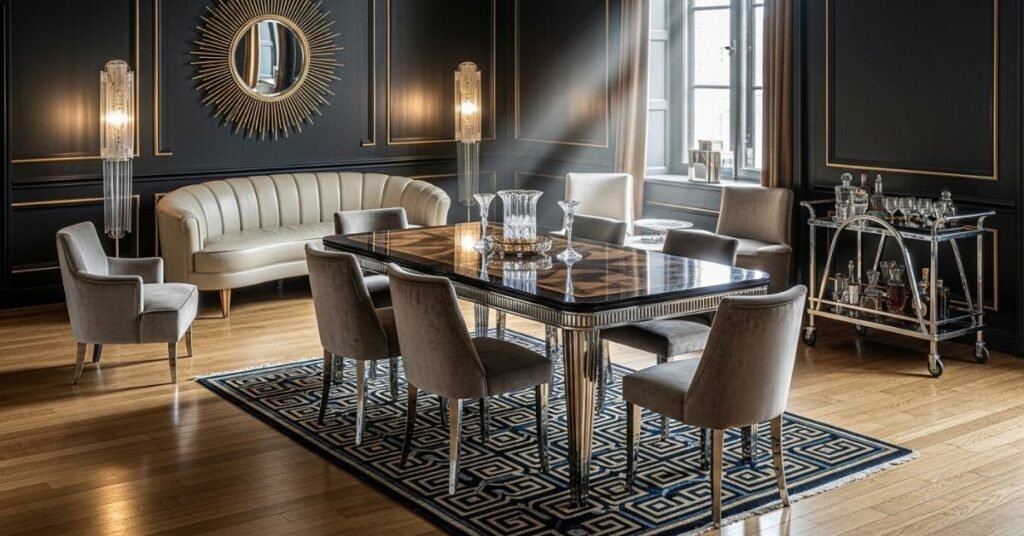
Era: 1920s–1940s
Key Features: Luxurious materials, bold geometric patterns, metallic accents, and rich colors.
Art Deco furniture is all about opulence and glamour. Think mirrored surfaces, lacquered wood, velvet upholstery, and chrome detailing. The style adds sophistication and drama to interiors, making it perfect for accent pieces like side tables, consoles, and chairs.
Design Idea: Incorporate an Art Deco mirrored console in your hallway with a statement lamp and gold accents to create a focal point that exudes luxury.
3. Victorian
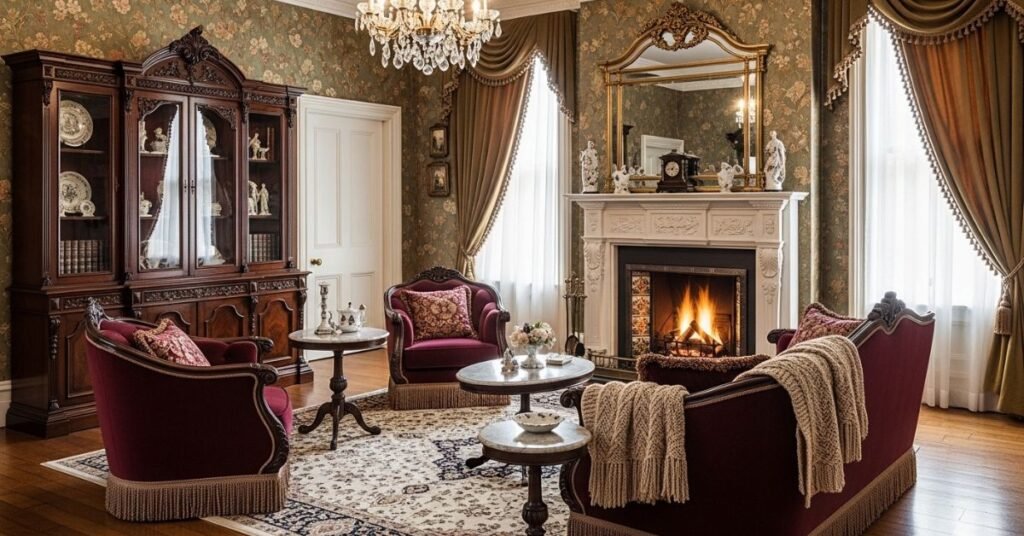
Era: 1837–1901
Key Features: Ornate carvings, dark woods, elaborate upholstery, and heavy detailing.
Victorian furniture embodies elegance and grandeur. It often features intricate carvings, floral patterns, and rich fabrics like velvet and brocade. Pieces such as wingback chairs, carved armoires, and grand dining tables can become the centerpiece of any room.
Design Idea: Use a Victorian armchair with deep upholstery in a modern reading nook to contrast contemporary decor with historical elegance.
4. Shabby Chic
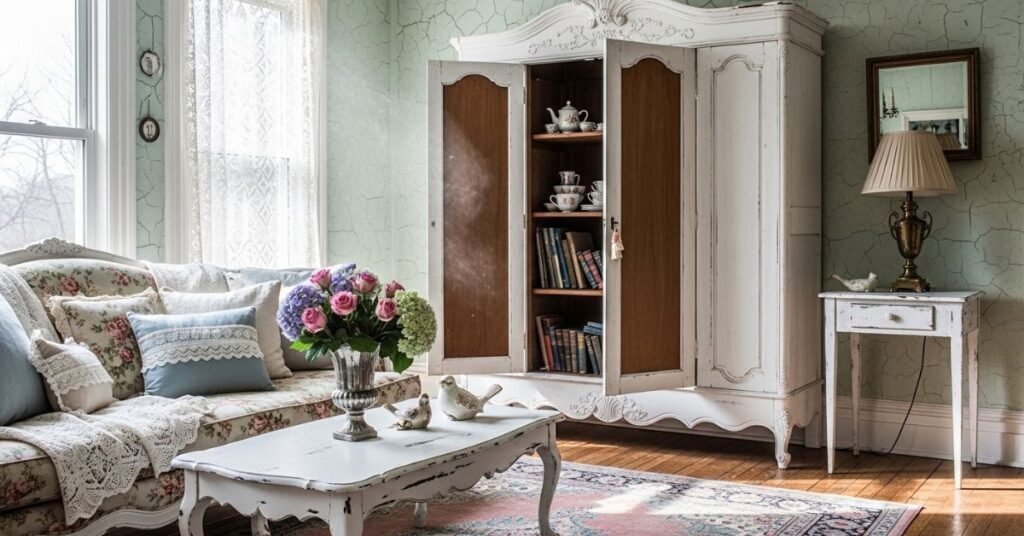
Era: Popularized in the 1980s but inspired by 18th-century French and English furniture
Key Features: Soft pastel colors, distressed finishes, delicate carvings, and feminine detailing.
Shabby chic furniture is romantic, cozy, and whimsical. Its charm lies in the worn, weathered look that tells a story. Whitewashed dressers, floral armchairs, and vintage-inspired coffee tables are staples in this style.
Design Idea: Pair a distressed white dresser with pastel accessories and lace curtains for a soft, inviting bedroom atmosphere.
5. Rustic and Farmhouse
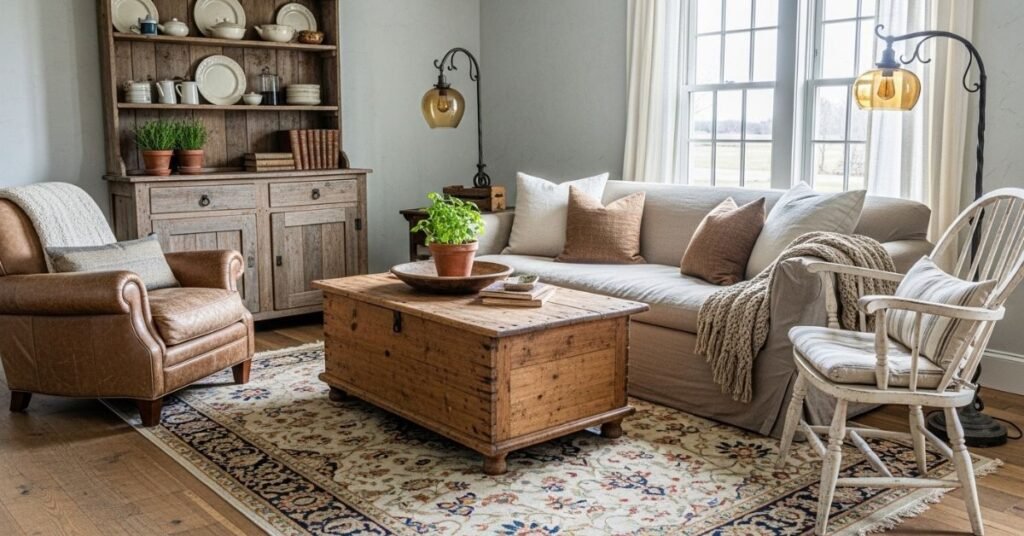
Era: Timeless, popularized in early American and European rural homes
Key Features: Raw wood, natural textures, sturdy construction, and earthy tones.
Rustic vintage furniture emphasizes simplicity and natural beauty. It often incorporates reclaimed wood, wrought iron, and handcrafted elements. Farmhouse tables, wooden benches, and vintage cabinets bring warmth and authenticity to interiors.
Design Idea: Add a reclaimed wood dining table with mismatched vintage chairs to create a cozy, lived-in kitchen or dining room.
6. Industrial
Era: 1900s–1950s, inspired by factories and warehouses
Key Features: Metal frames, exposed hardware, reclaimed wood, and utilitarian design.
Industrial vintage furniture is practical and rugged, perfect for modern lofts or minimalist interiors. Steel desks, metal stools, and factory-style shelving combine durability with a bold aesthetic.
Design Idea: Integrate a vintage metal bookshelf with exposed rivets in your living room alongside neutral-toned furniture to achieve a balanced industrial-modern look.
Tips for Incorporating Vintage Furniture in Modern Interiors
Mixing vintage furniture with modern decor requires balance. Here are some strategies:
- Start Small: Begin with accent pieces like a vintage chair, side table, or mirror.
- Blend Eras: Don’t feel restricted to one style. Combining mid-century chairs with a contemporary sofa can create a unique, eclectic vibe.
- Highlight Unique Pieces: Let one vintage piece be the focal point of the room.
- Preserve the Patina: Avoid over-restoring vintage furniture. Slight wear and aging add character.
- Neutral Backdrops: Use neutral walls and floors to make vintage pieces stand out without clashing.
- Textural Harmony: Pair wooden furniture with soft fabrics or metal pieces with natural elements to balance textures.
Maintaining Vintage Furniture
Proper care ensures that your vintage pieces last for generations. Here are essential tips:
- Cleaning: Use gentle cleaning solutions appropriate for the material. Avoid harsh chemicals.
- Polishing: Wood pieces may need occasional waxing or polishing to maintain luster.
- Repair: Address minor damages promptly but preserve original details whenever possible.
- Storage: Keep furniture away from direct sunlight and humidity to prevent warping or fading.
Where to Find Vintage Furniture
Finding authentic vintage furniture can be as rewarding as it is fun. Some sources include:
- Estate Sales and Auctions: Often have rare and high-quality pieces.
- Antique Stores: Specialize in curated vintage items.
- Flea Markets and Thrift Shops: Great for budget-friendly discoveries.
- Online Marketplaces: Websites like Etsy, eBay, and specialized vintage furniture sites.
When buying, always check for authenticity, structural integrity, and potential restoration needs.
Conclusion
Vintage furniture is more than just decor—it’s a way to bring history, craftsmanship, and personality into your living space. From the sleek lines of mid-century modern to the ornate details of Victorian designs, each style tells a unique story. Incorporating vintage pieces requires thoughtful blending with modern elements, preservation of authenticity, and careful selection. With the right approach, your home can showcase timeless elegance while reflecting your personal taste.
By understanding the different vintage furniture styles and using creative design ideas, you can curate a home that is both stylish and full of character. Whether you’re starting with a single piece or planning an entire vintage-inspired room, the world of vintage furniture offers endless possibilities for beauty, nostalgia, and functionality.