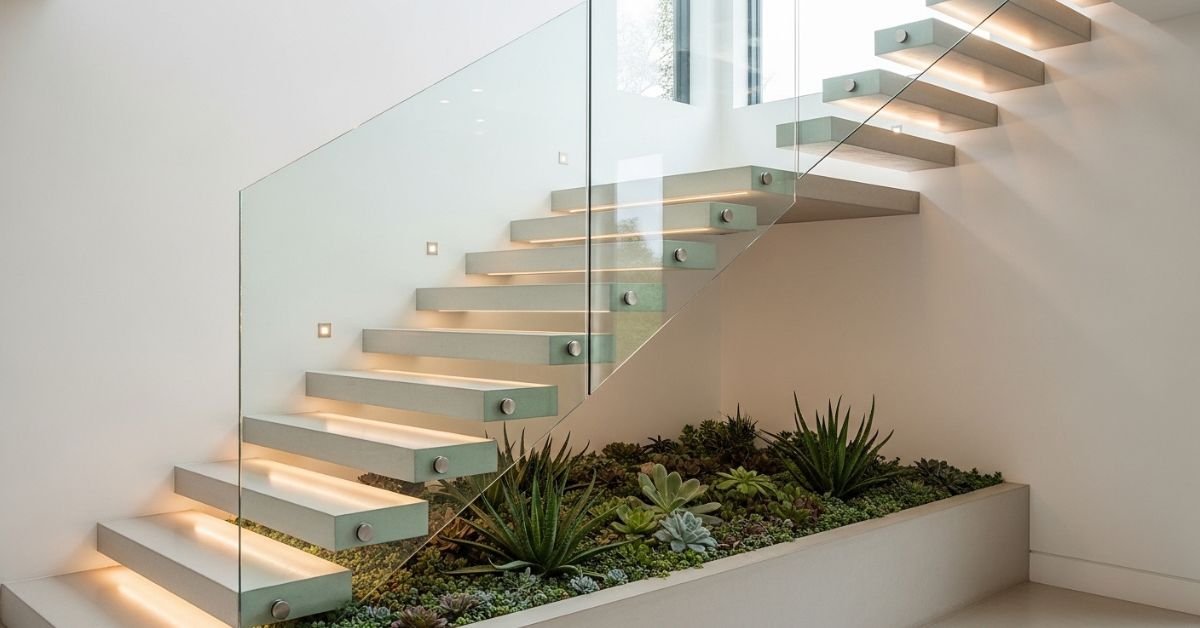
A staircase is far more than a simple connection between floors. In modern homes, it acts as a central design feature that blends functionality, safety, and aesthetics. Whether you are upgrading an outdated interior or improving property value, a staircase renovation can dramatically transform the look and usability of your home. However, renovating stairs requires careful planning because even small design mistakes can affect safety, comfort, and long-term durability.
A successful staircase renovation balances modern style with structural integrity. From choosing materials to improving lighting and ensuring compliance with safety standards, every decision plays an important role. This guide explores practical and modern design tips that help homeowners create a staircase that is both visually impressive and safe for everyday use.
Contents
- 1 Understanding the Purpose of Staircase Renovation
- 2 Prioritize Safety Above Everything
- 3 Choose Modern and Durable Materials
- 4 Improve Lighting for Style and Safety
- 5 Optimize Space with Smart Design
- 6 Focus on Modern Aesthetic Balance
- 7 Upgrade Structural Components
- 8 Integrate Technology for Modern Living
- 9 Consider Accessibility and Future Needs
- 10 Work with Professionals for Best Results
- 11 Budget Planning and Cost Efficiency
- 12 Final Thoughts
Understanding the Purpose of Staircase Renovation
Before starting any renovation, it is essential to understand why you want to upgrade your staircase. Some homeowners renovate to modernize outdated interiors, while others aim to fix structural wear or improve safety for children and older family members. Identifying your goals helps guide design decisions and prevents costly changes later.
Modern renovations often focus on open layouts, minimalistic designs, and improved lighting. Older staircases may feel bulky or dark, making spaces appear smaller. Updating the structure with modern materials and smarter layouts can instantly create a brighter and more welcoming environment.
Prioritize Safety Above Everything
No matter how stylish a staircase looks, safety should always remain the top priority. Many accidents at home occur on stairs, often due to poor design, slippery surfaces, or inadequate railings.
One of the most important factors is maintaining consistent step dimensions. Uneven riser heights or tread depths can cause trips and falls. During renovation, ensure that each step is uniform and comfortable to walk on. A well-designed staircase allows natural movement without forcing users to adjust their stride.
Handrails are equally critical. They should be sturdy, easy to grip, and installed at a comfortable height. Modern designs often use sleek metal or wooden railings, but aesthetics should never compromise stability. For families with children or elderly residents, adding dual handrails on both sides can significantly improve safety.
Non-slip surfaces are another essential feature. Materials like textured wood finishes, anti-slip coatings, or carpet runners help prevent slipping without sacrificing style.
Choose Modern and Durable Materials
Material selection strongly influences both the appearance and lifespan of your staircase. Modern staircase renovations typically favor materials that combine durability with clean aesthetics.
Wood remains one of the most popular choices because it provides warmth and versatility. Light-toned woods create a Scandinavian-inspired look, while darker finishes offer a more luxurious feel. Engineered wood options are also gaining popularity due to their resistance to warping and moisture.
Glass panels are widely used in modern renovations to create openness and allow light to flow freely through the space. When paired with metal or wooden frames, glass railings can make small areas appear larger and more contemporary.
Metal elements, such as steel or aluminum, add strength and a modern industrial character. These materials work especially well in minimalist or urban-style interiors.
For homeowners seeking low maintenance, composite materials and stone finishes offer long-lasting durability with minimal upkeep.
Improve Lighting for Style and Safety
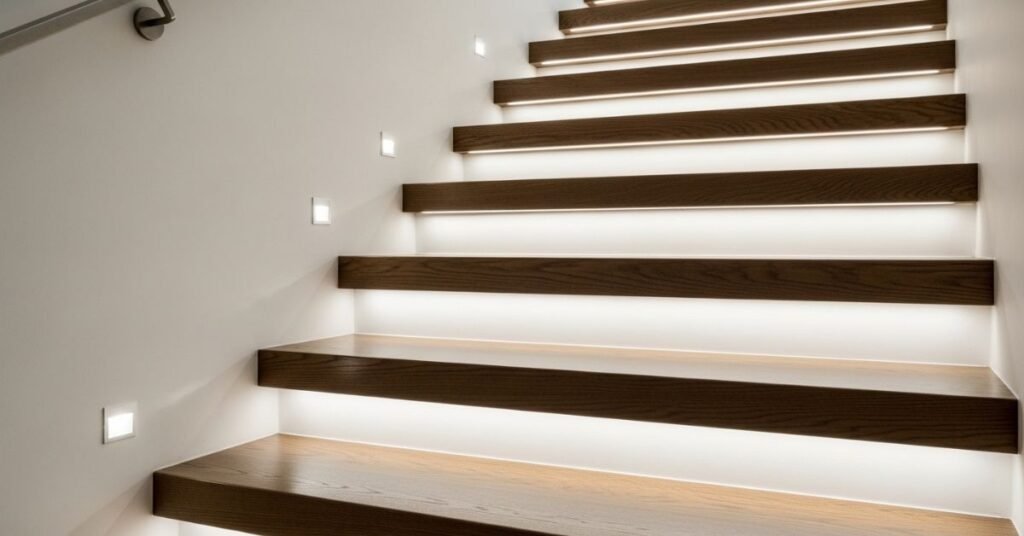
Lighting plays a major role in staircase design but is often overlooked during renovation. Poor lighting not only reduces visual appeal but also increases the risk of accidents.
Modern staircase lighting focuses on layered illumination. Step lights installed along walls or beneath treads improve visibility at night while creating a sophisticated ambiance. LED strip lighting has become a popular choice because it is energy-efficient and easy to integrate into contemporary designs.
Pendant lights or statement fixtures above stairwells can turn the staircase into a visual centerpiece. Natural light should also be maximized whenever possible. Enlarging nearby windows or using glass railings helps distribute daylight across the entire area.
Smart lighting systems are another modern addition, allowing homeowners to control brightness and schedules through mobile apps or motion sensors.
Optimize Space with Smart Design
In many homes, staircases occupy valuable square footage. A thoughtful renovation can transform unused space into functional areas.
Under-stair storage solutions are becoming increasingly popular. Built-in cabinets, shelves, or drawers can provide storage for shoes, books, or household items without adding clutter. Some homeowners even create small workspaces or reading corners beneath stairs.
Floating stair designs are another modern trend that enhances spatial efficiency. By reducing bulky structural elements, floating stairs create an airy appearance that makes interiors feel larger. However, professional engineering is essential to ensure safety and structural support.
Spiral or compact stair designs may also work well in smaller homes, though comfort and accessibility should always be considered before choosing space-saving solutions.
Focus on Modern Aesthetic Balance
A staircase should complement the overall interior design rather than feel disconnected from it. Modern renovations emphasize clean lines, simplicity, and cohesive materials.
Neutral color palettes such as white, gray, beige, or natural wood tones help maintain a timeless appearance. Overly trendy colors may quickly feel outdated, while neutral designs remain appealing for years.
Minimalist railing designs with slim profiles create a modern look without overwhelming the space. Combining materials—such as wood steps with metal railings or glass panels—adds visual interest while maintaining balance.
Consistency is key. The staircase design should match flooring, wall textures, and furniture styles to create a unified home aesthetic.
Upgrade Structural Components
While visual improvements are important, structural upgrades are equally necessary during renovation. Older staircases may suffer from creaking steps, weakened joints, or outdated construction methods.
Reinforcing the frame ensures long-term stability and prevents future repairs. Replacing worn-out treads or risers improves both safety and appearance. Soundproofing materials can also be added to reduce noise, especially in multi-level homes.
Consulting a structural professional or experienced contractor helps identify hidden issues before they become costly problems.
Integrate Technology for Modern Living
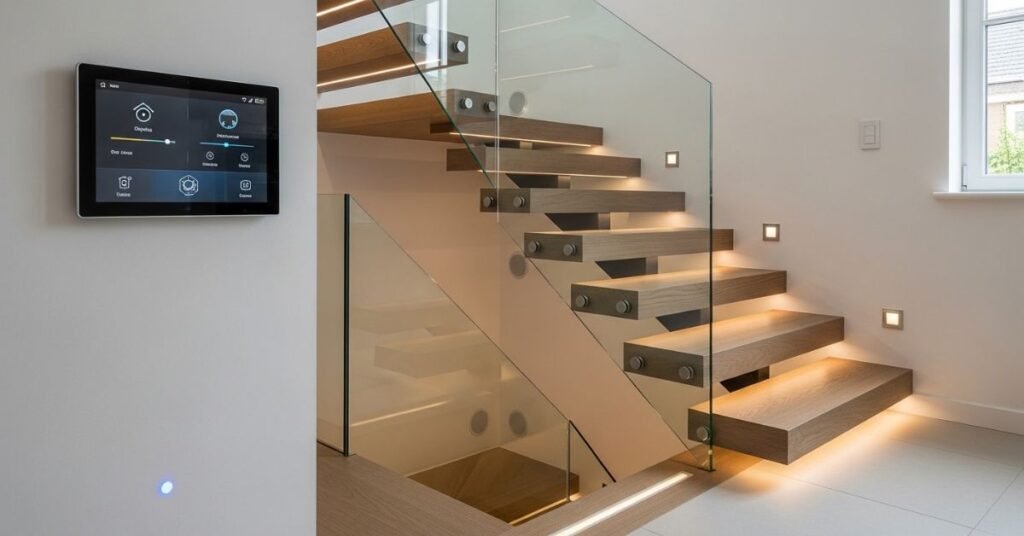
Modern staircase renovations increasingly include smart home features. Motion-sensor lighting automatically illuminates steps when someone approaches, improving both convenience and safety.
Some homeowners integrate charging stations or hidden electrical outlets into under-stair storage areas. Smart home integration allows lighting, security cameras, and automation systems to work seamlessly with staircase spaces.
These technological upgrades not only enhance usability but also increase property value by aligning the home with modern living standards.
Consider Accessibility and Future Needs
A well-designed staircase should remain functional for years to come. Planning for future accessibility is a smart approach, even if current household members have no mobility concerns.
Wider steps, sturdy handrails, and gentle stair angles make daily use more comfortable. Slip-resistant materials and improved lighting benefit users of all ages. In some cases, homeowners may prepare space for future stairlift installation without affecting current design aesthetics.
Thinking ahead ensures that the renovation remains practical and cost-effective long term.
Work with Professionals for Best Results
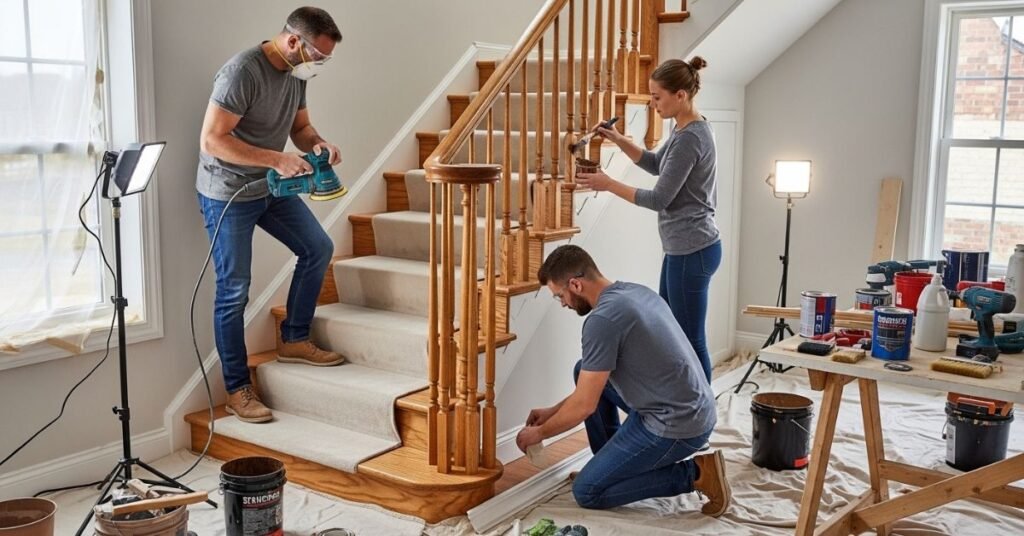
Although DIY projects can be tempting, staircase renovations often involve structural changes that require professional expertise. Architects, designers, and contractors can help ensure compliance with building codes and safety regulations.
Professional planning also helps balance creativity with practicality. Designers can recommend materials, layouts, and lighting solutions that homeowners may not have considered.
Clear communication about budget, timeline, and expectations prevents delays and ensures smoother project execution.
Budget Planning and Cost Efficiency
A staircase renovation can range from minor cosmetic upgrades to complete structural redesigns. Setting a realistic budget early helps prioritize improvements that deliver the greatest impact.
Investing in high-quality materials and proper installation often saves money in the long run by reducing maintenance and repair costs. Instead of focusing only on appearance, allocate funds toward safety upgrades, lighting, and durable construction.
Phased renovations are another cost-effective approach, allowing homeowners to upgrade elements gradually without compromising overall design goals.
Final Thoughts
A safe and modern staircase renovation is a powerful way to enhance both the functionality and visual appeal of a home. By combining thoughtful design, durable materials, proper lighting, and strong safety features, homeowners can create a staircase that serves as both a practical structure and a striking architectural element.
The key to success lies in balancing style with usability. Modern trends may inspire the design, but safety, comfort, and long-term durability should always guide decisions. When planned carefully and executed professionally, a staircase renovation not only improves everyday living but also adds lasting value to the home.
A well-renovated staircase becomes more than just a pathway between floors—it becomes a statement of modern living, smart design, and safe architectural innovation.