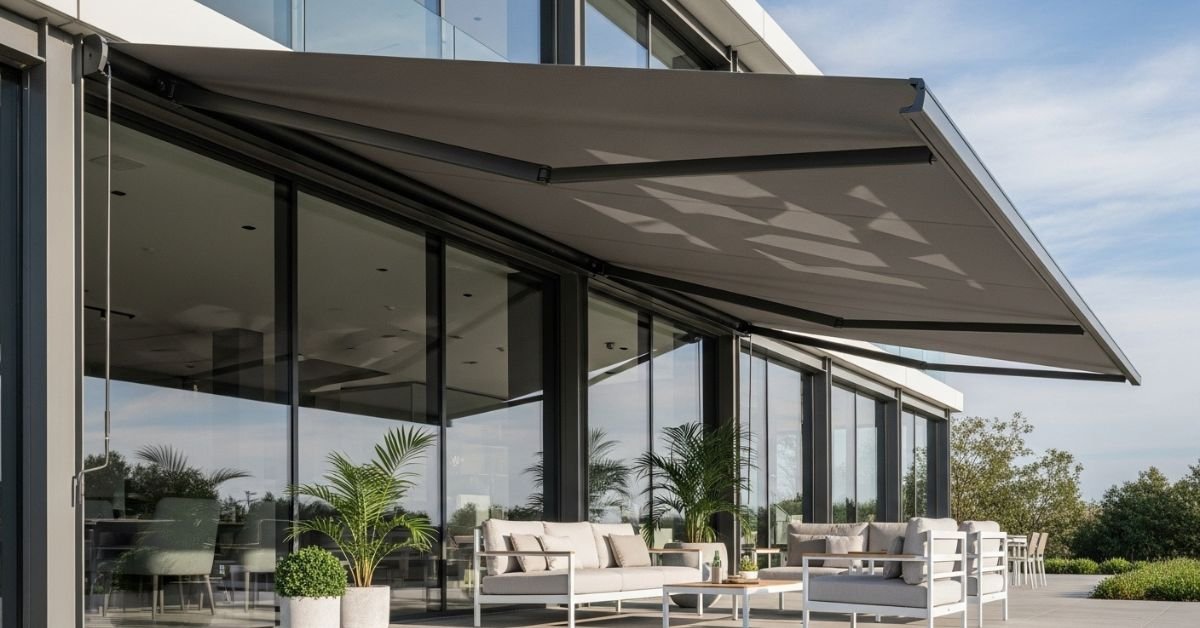
Outdoor spaces have become an essential extension of modern living. From residential patios and balconies to commercial storefronts and cafés, people are investing more attention into creating areas that are comfortable, functional, and visually appealing. In this evolving landscape, modern awnings have emerged as a perfect blend of style and practicality. They do far more than provide shade; they enhance architectural character, improve energy efficiency, and offer reliable protection from changing weather conditions. For property owners seeking both elegance and performance, modern awnings represent a smart and lasting solution.
Contents
- 1 The Evolution of Awnings in Modern Design
- 2 Stylish Solutions for Residential Properties
- 3 Enhancing Commercial Spaces with Modern Awnings
- 4 Weather Protection Without Compromising Style
- 5 Energy Efficiency and Indoor Comfort
- 6 Innovative Materials and Technology
- 7 Customization for Every Property Type
- 8 Durability and Low Maintenance Benefits
- 9 Increasing Property Value and Outdoor Appeal
- 10 Sustainability and Eco-Friendly Considerations
- 11 Conclusion
The Evolution of Awnings in Modern Design
Awnings were once viewed as purely functional additions, designed mainly to block harsh sunlight or light rain. Traditional models often lacked aesthetic appeal and were limited in color, shape, and material. Today, modern awnings have transformed into design elements that complement contemporary architecture. Clean lines, sleek frames, and innovative materials have turned awnings into statement features that add sophistication to any property.
Advancements in design technology have allowed awnings to be customized to suit a wide range of architectural styles. Whether a building is minimalist, industrial, classic, or modern, awnings can be tailored to enhance its visual harmony. This evolution has elevated awnings from simple coverings to integral components of outdoor design.
Stylish Solutions for Residential Properties
For homeowners, modern awnings offer an elegant way to make outdoor areas more usable throughout the year. Patios, decks, gardens, and balconies can quickly become uncomfortable due to excessive sunlight or unpredictable weather. A well-designed awning creates a shaded retreat that feels like an outdoor room rather than an exposed space.
Modern awnings also enhance curb appeal. The right color and design can accentuate a home’s exterior, adding depth and character without major renovations. Retractable options provide flexibility, allowing homeowners to enjoy open sunlight when desired and shade when needed. This adaptability makes modern awnings especially attractive for contemporary lifestyles where comfort and convenience are key priorities.
Enhancing Commercial Spaces with Modern Awnings
In commercial settings, awnings serve both functional and branding purposes. Restaurants, cafés, hotels, and retail stores use modern awnings to create inviting outdoor spaces that attract customers. A shaded seating area or sheltered entrance can significantly improve customer experience, encouraging longer visits and repeat business.
Modern awnings can be customized with logos, brand colors, and unique designs, turning them into subtle marketing tools. Beyond aesthetics, they protect storefront windows from direct sunlight, reducing interior heat and preventing merchandise from fading. This combination of style, comfort, and brand visibility makes awnings a valuable investment for commercial property owners.
Weather Protection Without Compromising Style
One of the most significant advantages of modern awnings is their ability to provide reliable weather protection while maintaining a stylish appearance. High-quality materials are engineered to withstand sun exposure, wind, and rain without losing their visual appeal. Unlike older designs that often appeared bulky or outdated, modern awnings are sleek and lightweight, seamlessly integrating with the building’s structure.
Rain-resistant fabrics and sturdy frames ensure outdoor areas remain usable even during light showers. Some modern systems are designed with advanced water drainage features that prevent pooling and extend the lifespan of the awning. This level of protection allows property owners to enjoy outdoor spaces without constant concern about weather changes.
Energy Efficiency and Indoor Comfort
Modern awnings contribute significantly to energy efficiency by reducing heat gain inside buildings. When installed over windows, doors, or outdoor areas adjacent to living spaces, awnings block direct sunlight before it enters the interior. This natural shading reduces reliance on air conditioning during warmer months, leading to lower energy consumption and utility costs.
By controlling indoor temperatures more effectively, awnings also create a more comfortable living or working environment. In residential properties, this means cooler rooms and reduced glare on screens. In commercial spaces, it results in a more pleasant atmosphere for customers and staff alike. Over time, these energy-saving benefits add measurable value to the property.
Innovative Materials and Technology
Modern awnings are built using advanced materials designed for durability, performance, and aesthetics. Fabrics are often treated with protective coatings that resist fading, moisture, and mildew. Frames are typically made from lightweight yet strong materials that resist corrosion and maintain structural integrity over time.
Technology has also played a role in transforming awning functionality. Motorized systems allow users to extend or retract awnings with ease, often using remote controls or smart home integration. Some awnings are equipped with sensors that respond automatically to sunlight, wind, or rain, adjusting their position to provide optimal protection and prevent damage. These innovations make modern awnings not only stylish but also incredibly user-friendly.
Customization for Every Property Type
One of the defining features of modern awnings is their versatility. They can be customized to suit virtually any property, regardless of size or purpose. From compact window awnings to large-scale coverings for outdoor dining areas, modern designs can be adapted to meet specific needs.
Customization extends beyond size and shape. Property owners can choose from a wide range of colors, patterns, and finishes to match their aesthetic preferences. This level of personalization ensures that the awning enhances the property rather than appearing as an afterthought. A well-chosen awning feels like a natural extension of the building’s design.
Durability and Low Maintenance Benefits
Unlike older awning designs that required frequent upkeep, modern awnings are engineered for longevity and ease of maintenance. High-performance fabrics resist wear and tear, while sturdy frames maintain their shape and stability over time. This durability makes them suitable for long-term use in various climates.
Maintenance typically involves simple cleaning to remove dust or debris. Many modern materials are designed to repel dirt and moisture, reducing the need for intensive care. This low-maintenance nature appeals to both homeowners and business owners who want reliable outdoor protection without constant upkeep.
Increasing Property Value and Outdoor Appeal
Modern awnings add tangible value to a property by enhancing both functionality and appearance. Outdoor spaces become more usable, comfortable, and visually appealing, which is particularly attractive to potential buyers or tenants. For commercial properties, awnings can increase foot traffic and improve the overall customer experience.
By improving energy efficiency and protecting exterior surfaces from sun damage, awnings also help preserve the property’s condition over time. These combined benefits make modern awnings a practical investment rather than a purely decorative upgrade.
Sustainability and Eco-Friendly Considerations
Sustainability has become an important consideration in modern property design, and awnings contribute positively in this area. By reducing the need for artificial cooling, awnings help lower energy consumption and reduce environmental impact. Many modern fabrics are produced using eco-conscious processes, further supporting sustainable building practices.
Choosing awnings as a shading solution aligns with a growing focus on environmentally responsible design. They offer a passive, energy-saving method to improve comfort without relying heavily on mechanical systems.
Conclusion
Modern awnings represent the perfect balance between style and functionality, offering elegant outdoor protection for every type of property. With their sleek designs, advanced materials, and innovative technology, they enhance comfort, improve energy efficiency, and elevate the overall appearance of residential and commercial spaces. Whether used to create a shaded retreat at home or an inviting atmosphere for customers, modern awnings provide a durable, stylish solution that adapts to contemporary living needs. Investing in modern awnings is not just about shelter from the elements; it is about transforming outdoor spaces into practical, beautiful extensions of everyday life.