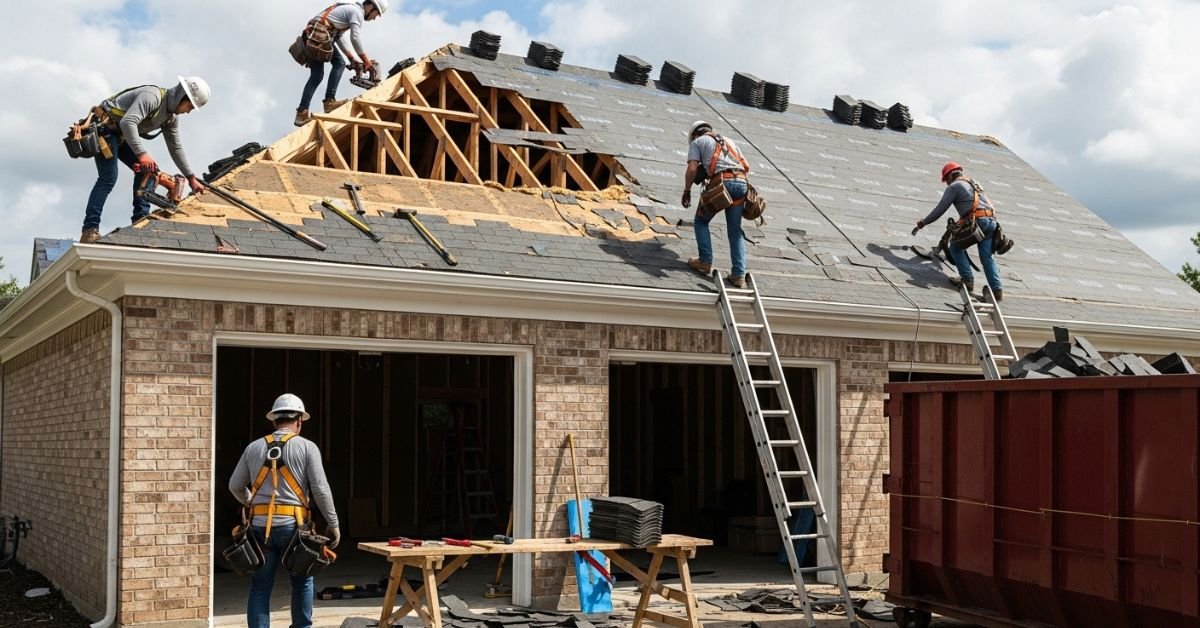
A garage roof replacement may not always feel as urgent as repairing the main house roof, but ignoring it can lead to serious problems over time. The garage often protects valuable assets such as vehicles, tools, and storage items, and its roof plays a critical role in shielding everything underneath from weather damage. Whether your garage is attached to your home or stands separately, replacing its roof is a project that requires careful planning, smart decision-making, and a clear understanding of what lies ahead.
Before starting a garage roof replacement, homeowners should take time to understand the process, potential challenges, material choices, and financial considerations involved. Rushing into the project without proper preparation can lead to unnecessary expenses, poor workmanship, or long-term structural issues. The following detailed tips will help ensure your garage roof replacement is smooth, efficient, and worth the investment.
Contents
- 1 Understanding the Purpose of Garage Roof Replacement
- 2 Evaluating the Current Condition of the Garage Roof
- 3 Choosing the Right Time for Replacement
- 4 Setting a Realistic Budget Early On
- 5 Selecting the Most Suitable Roofing Material
- 6 Understanding Roof Structure and Design
- 7 Checking Local Building Codes and Permits
- 8 Deciding Between DIY and Professional Installation
- 9 Preparing the Garage and Surrounding Area
- 10 Planning for Ventilation and Insulation Improvements
- 11 Understanding Warranties and Maintenance Requirements
- 12 Preparing for Noise and Temporary Disruptions
- 13 Conclusion
Understanding the Purpose of Garage Roof Replacement
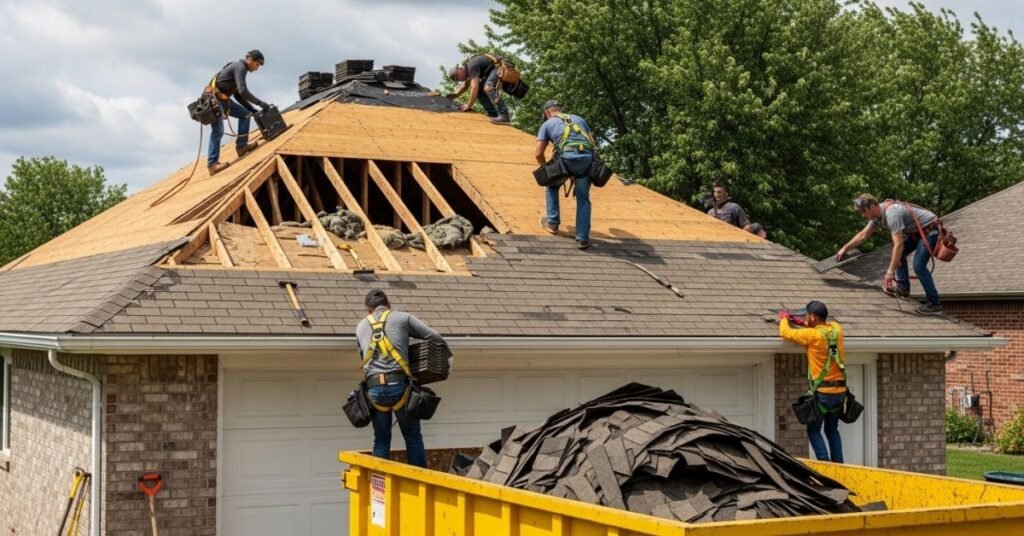
A garage roof replacement is not just about improving appearance. Its main purpose is to restore structural integrity and protect the interior from water intrusion, temperature extremes, and environmental damage. Over time, roofing materials deteriorate due to sun exposure, heavy rain, snow, wind, and fluctuating temperatures. Small leaks or cracks may seem harmless initially, but they can quickly turn into major problems if left unaddressed.
Replacing the roof at the right time prevents mold growth, wood rot, insulation damage, and costly repairs to the garage’s internal structure. It also improves energy efficiency, especially if the garage is attached to the house, since a damaged roof can affect indoor temperatures and utility bills.
Evaluating the Current Condition of the Garage Roof
Before starting the replacement process, it is essential to evaluate the existing roof carefully. Many homeowners assume that visible damage on the surface tells the full story, but underlying issues are often hidden beneath old shingles or roofing layers. Water damage, weakened decking, and compromised support beams may not be obvious until the old roof is removed.
Checking the roof from both the exterior and interior of the garage can provide valuable insight. Stains on the ceiling, musty odors, sagging areas, or daylight visible through roof boards indicate that the damage may extend beyond the surface. Identifying these issues early helps in planning repairs and setting realistic expectations for time and cost.
Choosing the Right Time for Replacement
Timing plays a crucial role in the success of a garage roof replacement. Weather conditions significantly affect installation quality, safety, and project duration. Roofing work requires dry conditions to ensure materials adhere properly and prevent moisture from becoming trapped beneath the new roof.
Most homeowners choose mild weather seasons when temperatures are stable and rainfall is minimal. Extreme heat can soften roofing materials and make installation more difficult, while cold temperatures can cause shingles to become brittle and prone to cracking. Planning the project during favorable conditions reduces delays and improves overall workmanship.
Setting a Realistic Budget Early On
One of the most important tips before starting a garage roof replacement is establishing a realistic budget. Many homeowners focus only on the cost of new roofing materials and overlook additional expenses such as labor, disposal of old materials, structural repairs, permits, and unexpected complications.
Costs can vary depending on the size of the garage, roof pitch, material selection, and local labor rates. Older garages often require extra work due to outdated construction methods or hidden damage. Setting aside a contingency budget helps avoid financial stress if additional repairs are needed once the old roof is removed.
A clear budget also helps narrow down material options and contractor choices without compromising quality or safety.
Selecting the Most Suitable Roofing Material
Not all roofing materials are equally suitable for garage roofs. The best choice depends on factors such as climate, roof slope, budget, and how the garage is used. Asphalt shingles remain a popular option because they are affordable, easy to install, and compatible with most garage roof designs. However, they may not offer the longest lifespan in extreme weather conditions.
Metal roofing is gaining popularity for garage roofs due to its durability, resistance to moisture, and low maintenance requirements. Flat or low-slope garage roofs often benefit from rubber or membrane roofing systems designed specifically for water resistance. Matching the garage roof material with the main house roof can enhance visual appeal, but functionality should always be the top priority.
Understanding Roof Structure and Design
Before replacing a garage roof, it is important to understand its structure and design. Garage roofs can differ significantly from house roofs in slope, framing, and ventilation. Some garages have flat roofs that require specialized waterproofing systems, while others have steep pitches that affect installation complexity and safety requirements.
Roof structure influences how weight is distributed and determines which materials can be safely installed. Adding heavier roofing materials without reinforcing the structure can lead to long-term damage or collapse. Understanding these limitations helps prevent costly mistakes and ensures the new roof performs as intended.
Checking Local Building Codes and Permits
Many homeowners overlook local building codes when planning a garage roof replacement. Depending on your location, permits may be required even for small roofing projects. Building codes regulate materials, installation methods, ventilation, and safety standards to ensure long-term durability and occupant safety.
Failing to obtain necessary permits can result in fines, legal issues, or problems when selling the property. It may also void warranties or insurance coverage if the work does not meet local regulations. Checking requirements in advance ensures the project proceeds without unexpected interruptions.
Deciding Between DIY and Professional Installation
One of the most critical decisions before starting a garage roof replacement is whether to handle the project yourself or hire professionals. While DIY roofing may seem cost-effective, it carries significant risks, especially for those without experience. Roofing work involves heights, heavy materials, and specialized tools, making safety a major concern.
Professional roofers bring expertise, efficiency, and proper equipment to the job. They can identify hidden problems, complete the work faster, and often provide warranties on materials and labor. Although hiring professionals may increase upfront costs, it often saves money in the long run by preventing errors and ensuring long-lasting results.
Preparing the Garage and Surrounding Area
Proper preparation before replacement begins helps avoid damage and delays. Items stored in the garage should be moved or covered to protect them from dust, debris, or accidental water exposure. Vehicles should be parked away from the work area, and nearby landscaping should be protected.
Clear communication with contractors about access points, power supply, and work schedules ensures smooth coordination. Preparing the area also minimizes safety hazards and allows workers to complete the project efficiently.
Planning for Ventilation and Insulation Improvements
Garage roof replacement offers an excellent opportunity to improve ventilation and insulation. Poor ventilation can cause heat buildup, moisture retention, and premature roof deterioration. Adequate airflow helps regulate temperature and extends the life of roofing materials.
Insulation upgrades can improve energy efficiency, especially for attached garages. Proper insulation reduces heat transfer between the garage and the house, leading to lower energy costs and improved comfort. Addressing these elements during roof replacement is more cost-effective than making changes later.
Understanding Warranties and Maintenance Requirements
Before installing a new garage roof, homeowners should understand the warranties offered by material manufacturers and contractors. Warranties vary widely in coverage, duration, and conditions. Some require professional installation or regular maintenance to remain valid.
Knowing maintenance requirements in advance helps preserve warranty coverage and extend the roof’s lifespan. Simple practices such as clearing debris, inspecting for damage, and addressing small issues promptly can prevent major repairs and protect your investment.
Preparing for Noise and Temporary Disruptions
Roof replacement is a noisy process that can disrupt daily routines. Hammering, material removal, and equipment use can be loud and continuous. Preparing mentally and practically for these temporary inconveniences makes the experience more manageable.
If the garage is attached to the house, vibrations and noise may affect indoor spaces. Informing household members and neighbors ahead of time helps minimize frustration and misunderstandings during the project.
Conclusion
Starting a garage roof replacement without proper planning can turn a necessary upgrade into a stressful and costly experience. By understanding the condition of the existing roof, choosing the right materials, setting a realistic budget, and preparing for the process, homeowners can ensure a smooth and successful project. A well-installed garage roof not only protects valuable belongings but also enhances structural stability, improves energy efficiency, and adds long-term value to the property. Taking the time to plan carefully before starting makes all the difference between a short-term fix and a durable, reliable solution.