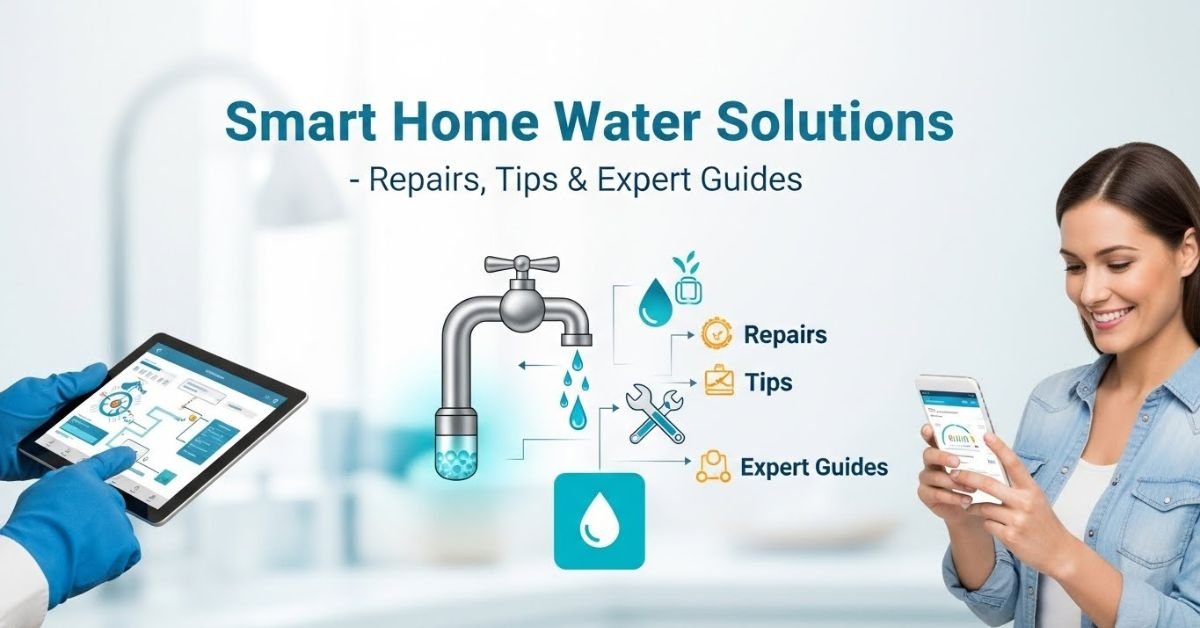
Water is one of the most important systems in any home, yet it’s often the most ignored—until something goes wrong. A dripping tap, low water pressure, hidden leaks, or rising water bills can quickly turn into major headaches if not handled properly. This is where smart home water solutions come in. They combine practical knowledge, modern tools, and proactive maintenance to help homeowners manage water systems efficiently, safely, and cost-effectively.
In this detailed guide, we’ll explore how smart water solutions work, common household water problems, expert repair strategies, preventative tips, and how modern technology is transforming the way homes manage water.
Contents
- 1 Understanding Home Water Systems
- 2 Common Home Water Problems and Their Causes
- 3 Smart Repair Approaches for Homeowners
- 4 Preventative Maintenance: The Key to Long-Term Savings
- 5 Modern Smart Water Technologies for Homes
- 6 Improving Water Efficiency Without Sacrificing Comfort
- 7 Seasonal Water Care Tips
- 8 Choosing the Right Materials and Fixtures
- 9 Expert Advice for Long-Term Water System Health
- 10 Environmental Impact and Sustainable Living
- 11 Final Thoughts
Understanding Home Water Systems
Before fixing problems, it’s essential to understand how water flows through your home. Most houses rely on a network of pipes, valves, fixtures, and drainage lines that work together to deliver clean water and remove waste safely.
Water typically enters the home through a main supply line, passes through shut-off valves, and is distributed to kitchens, bathrooms, laundry areas, and outdoor taps. Used water exits through drainage pipes and vents. Any weakness in this system—whether from aging pipes, pressure issues, or poor installation—can cause leaks, blockages, or damage.
Smart water management starts with awareness. Knowing where your main shut-off valve is located and understanding basic system layout can save time and prevent damage during emergencies.
Common Home Water Problems and Their Causes
Even well-maintained homes experience water issues. Identifying the root cause early can prevent costly repairs later.
Leaks That Go Unnoticed
Small leaks often hide behind walls, under sinks, or beneath floors. These leaks waste water, increase utility bills, and can lead to mold or structural damage. Common causes include worn seals, loose connections, or corroded pipes.
Low or Uneven Water Pressure
If water pressure feels weak in one area but normal in another, the issue may be localized. Mineral buildup, clogged aerators, aging pipes, or partially closed valves are frequent culprits. Whole-house pressure issues may indicate supply line problems or pressure regulator failure.
Dripping Taps and Running Fixtures
A single dripping tap can waste thousands of liters of water annually. These issues are often caused by worn washers, damaged cartridges, or poor installation. While they seem minor, ignoring them leads to higher costs and wasted resources.
Slow or Blocked Drains
Slow drainage usually results from hair, grease, soap residue, or food debris buildup. Chemical cleaners can provide temporary relief, but improper use can damage pipes over time.
Smart Repair Approaches for Homeowners
Not every water issue requires professional intervention. With the right approach, many problems can be resolved safely at home.
When DIY Repairs Make Sense
Simple tasks like replacing tap washers, cleaning aerators, tightening loose fittings, or unclogging drains with natural methods are manageable for most homeowners. Turning off the water supply before starting any repair is critical.
Basic tools such as adjustable wrenches, plungers, plumber’s tape, and drain snakes can handle many routine issues.
Knowing When to Call an Expert
Some repairs demand professional expertise. Hidden leaks, recurring blockages, pipe replacements, and water heater issues should not be ignored. Attempting complex repairs without experience can worsen damage and increase costs.
A smart homeowner knows the limits of DIY work and values long-term safety over short-term savings.
Preventative Maintenance: The Key to Long-Term Savings
Preventing problems is far easier and cheaper than repairing damage after it occurs. Smart water solutions emphasize routine checks and proactive care.
Inspect exposed pipes regularly for signs of corrosion, moisture, or discoloration. Check under sinks and behind appliances where leaks often start unnoticed. Monitor water bills—unexpected increases often signal hidden leaks.
Cleaning drain traps, flushing water heaters annually, and maintaining fixtures can significantly extend system lifespan. Prevention not only protects your home but also reduces water waste and energy consumption.
Modern Smart Water Technologies for Homes
Technology has transformed how homeowners manage water. Smart devices offer real-time monitoring, early leak detection, and automated controls that reduce risk and increase efficiency.
Smart Leak Detectors
These devices detect moisture and unusual water flow patterns, sending alerts directly to your phone. Some systems can automatically shut off water supply when leaks are detected, preventing major flooding.
Water Usage Monitoring Systems
Smart meters track daily water usage, helping homeowners understand consumption habits. Identifying patterns allows families to reduce waste and lower bills without sacrificing comfort.
Smart Valves and Shut-Off Systems
Automated shut-off valves provide peace of mind, especially when traveling. If a pipe bursts or leak occurs, the system can stop water flow instantly, minimizing damage.
Improving Water Efficiency Without Sacrificing Comfort
Smart water solutions aren’t just about repairs—they’re also about smarter usage.
Installing low-flow fixtures, fixing leaks promptly, and upgrading to efficient appliances can reduce water consumption significantly. Many modern fixtures are designed to maintain strong pressure while using less water, offering both comfort and sustainability.
Rainwater harvesting systems and greywater reuse solutions are becoming more popular in eco-conscious homes, especially for gardening and outdoor use.
Seasonal Water Care Tips
Different seasons present different challenges for home water systems.
During colder months, exposed pipes are vulnerable to freezing. Insulating pipes and keeping indoor temperatures stable can prevent costly bursts. In warmer months, increased water usage can strain systems, making leak detection and pressure monitoring essential.
Preparing your home for seasonal changes is a smart habit that reduces emergency repairs.
Choosing the Right Materials and Fixtures
Quality materials play a major role in system longevity. Cheap fixtures may save money initially but often fail sooner. Investing in durable materials like brass fittings, stainless steel components, and high-quality seals reduces long-term costs.
When replacing parts, compatibility matters. Mixing incompatible materials can lead to corrosion or leaks. Expert guidance ensures safe and lasting installations.
Expert Advice for Long-Term Water System Health
Experts agree that education is the most powerful tool homeowners have. Understanding how systems work, staying alert to warning signs, and using modern solutions proactively leads to fewer emergencies.
Scheduling professional inspections every few years can uncover hidden issues early. Combining expert input with smart technology creates a balanced approach that protects both property and peace of mind.
Environmental Impact and Sustainable Living
Smart home water solutions also support environmental responsibility. Reducing leaks, managing consumption, and choosing efficient fixtures help conserve water—a critical global resource.
Small changes, when adopted widely, make a significant difference. Smart water management aligns comfort, savings, and sustainability into one practical lifestyle choice.
Final Thoughts
Smart home water solutions are not about reacting to problems—they’re about staying ahead of them. From understanding your home’s water system to using modern monitoring tools and adopting preventative habits, homeowners today have more control than ever.
Whether you’re dealing with a minor repair, planning system upgrades, or simply aiming to reduce water waste, a smart approach ensures safety, efficiency, and long-term value. With the right knowledge and tools, managing home water systems becomes less stressful and far more rewarding.