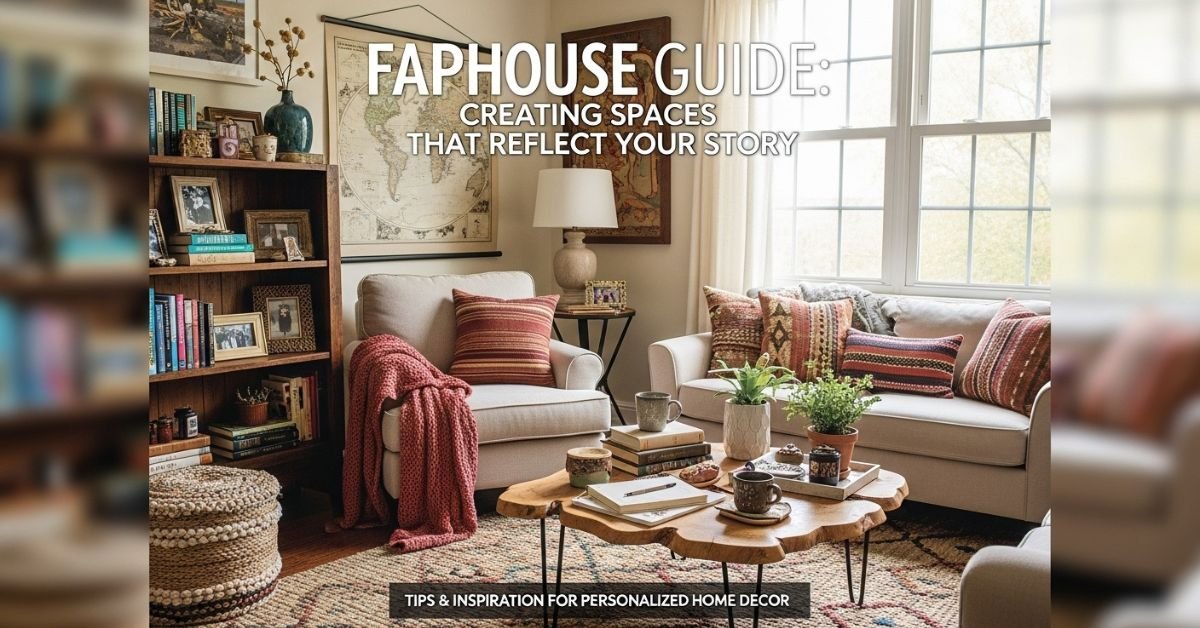
Your home is more than just a place to eat and sleep. It’s a sanctuary, a backdrop for your life’s best moments, and a physical representation of who you are. But how do you transform a house or apartment into a space that truly feels like you? It’s all about telling your story through design — and that’s exactly what FapHouse inspires you to do.
This guide will walk you through the process of creating a home that reflects your personality, passions, and history. We’ll break down how to discover your personal style, weave your story into your decor, and make design choices that are both beautiful and meaningful. Forget cookie-cutter trends; it’s time to build a space that is uniquely yours.
Contents
- 1 What is a “Story-Driven” Home?
- 2 Step 1: Discover Your Authentic Design DNA
- 3 Step 2: Build Your Narrative with a Color Palette and Textures
- 4 Step 3: Select “Anchor” Pieces That Tell a Story
- 5 Step 4: Layer in Your Personal History
- 6 Step 5: Edit and Evolve Your Space
- 7 Frequently Asked Questions (FAQ)
What is a “Story-Driven” Home?
A story-driven home is one where every element has a purpose and a connection to you. It’s a space filled with items that spark joy, evoke memories, and represent your journey. Instead of buying things just to fill a room, you curate a collection that speaks to your identity.
Think of your home as a living scrapbook. The photos on the wall, the books on your shelf, and even the color of your sofa can all be part of the narrative. It’s about creating an environment that feels authentic and deeply personal.
Step 1: Discover Your Authentic Design DNA
Before you even think about paint swatches or furniture, the first step is to look inward. Your personal style is a unique blend of your life experiences, tastes, and daily habits. To create a home that feels like you, you first need to understand what “you” looks like in design form. This is your Design DNA—the core elements that define your aesthetic.
Explore Your Past and Present
Think of yourself as a design detective and your life as the main source of clues. Ask yourself some exploratory questions:
- What places make you feel most at ease? Is it a bustling city cafe, a quiet beach at sunset, or a rustic cabin deep in the woods? The atmosphere of these places can provide powerful inspiration. If you love the coast, you might be drawn to light woods, shades of blue, and breezy fabrics.
- What’s in your wardrobe? Your clothing choices are a great indicator of your preferred color palette and textures. If your closet is full of earthy tones and natural fabrics like linen and cotton, your home style might lean towards bohemian or organic modern.
- What are your hobbies? Your passions should have a place in your home. A passionate baker might want a kitchen that’s both functional and beautiful, while an artist may need a space filled with natural light and creative inspiration.
Create a Visual Mood Board
Once you have some ideas floating around, it’s time to make them tangible. A mood board is an essential tool for this. You can use a physical corkboard or a digital one on a platform like Pinterest. Start gathering images that you’re drawn to—don’t overthink it. Pin photos of rooms, color combinations, furniture pieces, textures, and even landscapes.
After a week or so of collecting, look at your board. You’ll start to see clear patterns emerge. You might notice a recurring color, a specific style of furniture (like mid-century modern), or a certain feeling (like cozy and warm). This visual collection is the blueprint for your home’s story.
Step 2: Build Your Narrative with a Color Palette and Textures
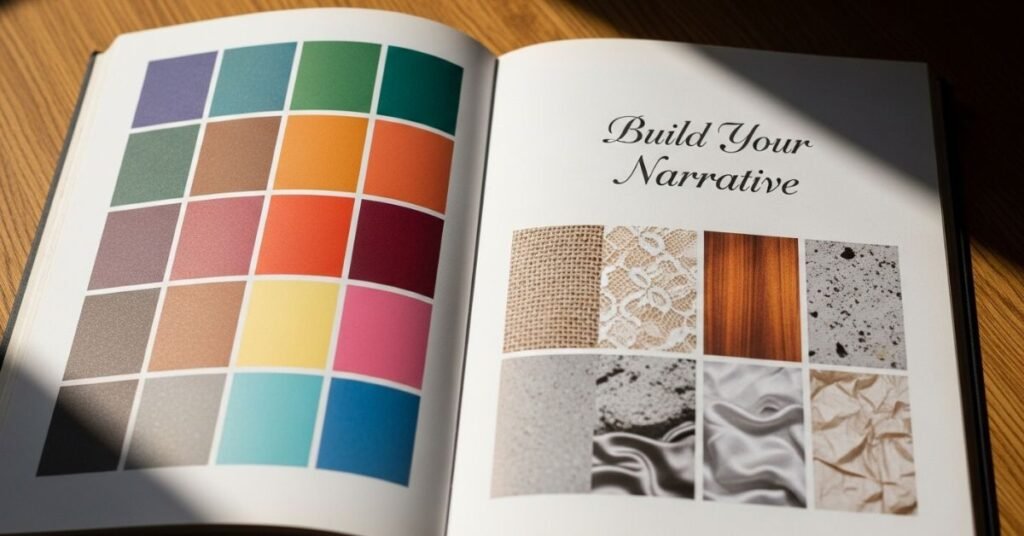
With your Design DNA defined, the next step is to translate it into a tangible design language using color and texture. These elements are the foundation of your home’s atmosphere and will tie everything together, creating a cohesive backdrop for your story.
Choose Your Core Colors
Every good story has a consistent theme, and in design, your color palette provides that consistency. A simple way to build a palette is to use the 60-30-10 rule.
- 60% Dominant Color: This is your main color, used for large areas like walls. It’s typically a neutral or a subtle shade that sets the overall tone of the space.
- 30% Secondary Color: This color is more supportive and is used for furniture, curtains, or an accent wall. It should complement your dominant color.
- 10% Accent Color: This is your pop of personality! Use it for smaller items like pillows, artwork, and decorative objects. This is where you can be bold and have fun.
For example, if your mood board was full of serene, nature-inspired images, your palette might be: 60% soft sage green, 30% warm cream, and 10% a deep terracotta for your accent.
Layer in Meaningful Textures
Texture adds depth and sensory richness to your home. It’s the difference between a room that looks nice and one that feels inviting. Think about materials that connect to your story.
- Smooth and Sleek: Glass, metal, and polished stone can create a modern, sophisticated feel.
- Soft and Cozy: Wool, faux fur, velvet, and chunky knits make a space feel warm and comfortable.
- Natural and Raw: Unfinished wood, rattan, jute, and linen connect your space to the outdoors and add an organic touch.
A real-world example: Someone who loves hiking might incorporate a live-edge wooden coffee table, a jute rug, and soft wool blankets to bring the feeling of the mountains into their living room.
Step 3: Select “Anchor” Pieces That Tell a Story
Every room needs a few key pieces of furniture that act as anchors, both functionally and aesthetically. These are the foundational items—the sofa, the bed, the dining table—that will be with you for years to come. Choosing them with your story in mind makes them more than just functional objects; they become central characters in your home’s narrative.
The Sofa as a Gathering Spot

Your sofa is often the heart of the living room. When choosing one, think about its role in your life. Are you a movie marathoner who needs something deep and plush to sink into? Or do you host lively gatherings where a more structured, modular sofa would be better for conversation? The material matters, too. A durable, easy-to-clean fabric tells a story of a busy, family-friendly household, while a luxurious velvet might speak to a more formal, glamorous lifestyle.
The Dining Table as a Hub of Connection

The dining table is where memories are made, from celebratory feasts to quiet weekday breakfasts. A large, rustic farmhouse table tells a story of big family gatherings and shared meals. A sleek, minimalist table might reflect a life of intimate dinners and modern simplicity. Don’t be afraid of pieces with a past; a vintage dining table from a flea market brings its own history and character into your home.
The Bed as Your Personal Sanctuary
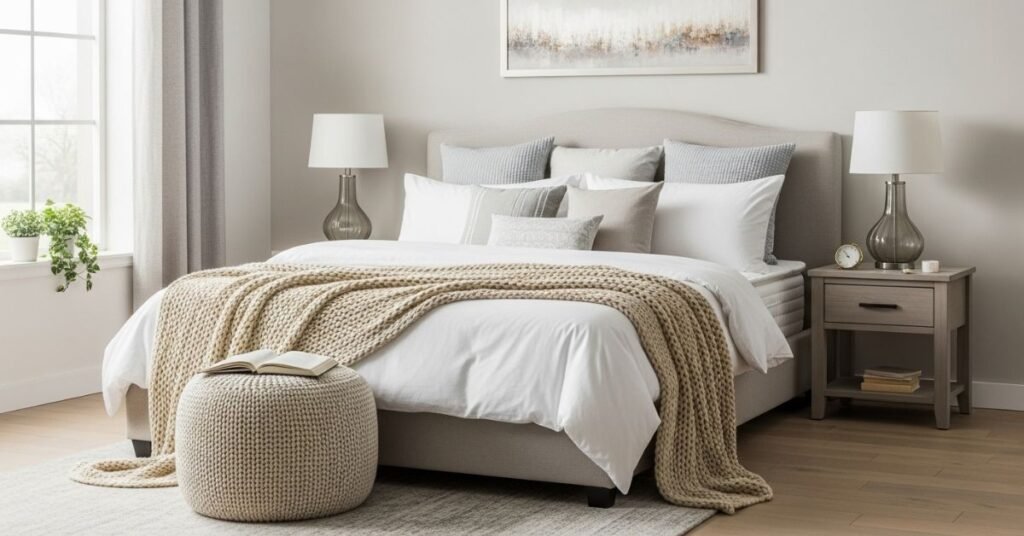
Your bed is the most personal piece of furniture in your home. The headboard, in particular, can be a powerful storytelling element. A dramatic, upholstered headboard can feel like a luxurious escape, while a simple, wooden one might evoke a sense of calm and groundedness. Think about what feeling you want to wake up to every morning.
Step 4: Layer in Your Personal History
With your foundation in place, it’s time for the most personal step: layering in the objects, art, and mementos that represent your unique journey. This is where your home truly becomes a reflection of your life. The key is to curate these items with intention, so they tell a story rather than create clutter.
Create a Gallery Wall of Your Life
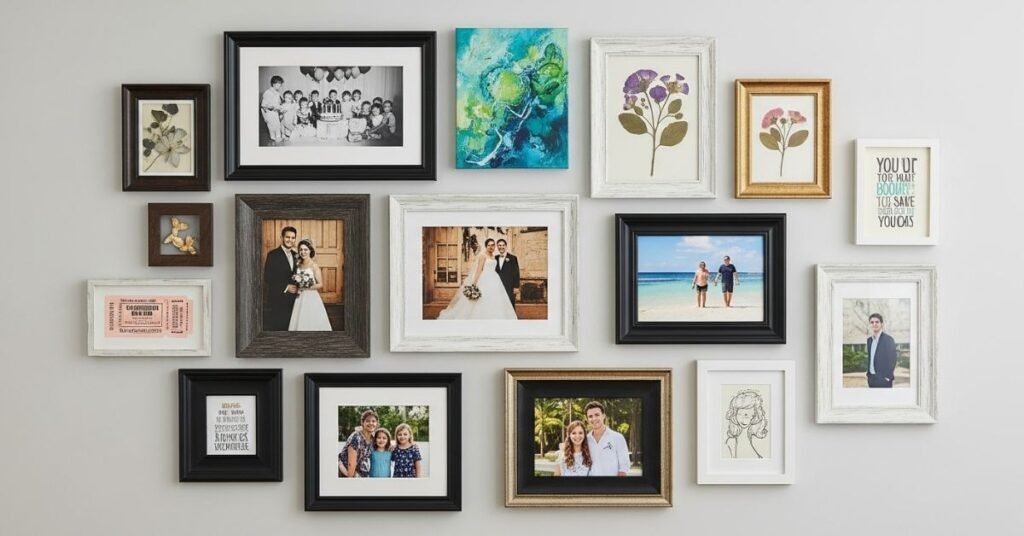
A gallery wall is a fantastic way to display your history. Mix and match different elements to make it dynamic and interesting:
- Photographs: Combine professional portraits with candid snapshots. Mix black-and-white photos with color ones. Include pictures of people, places, and even abstract shots that evoke a feeling.
- Art: Incorporate prints from artists you admire, postcards from your travels, or even your own creations or your children’s drawings.
- Objects: Shadow boxes can display small objects like concert tickets, seashells from a favorite beach, or a family heirloom.
Style Your “Shelfie”
Bookshelves are not just for books. They are perfect stages for showcasing your personality. Arrange your books both vertically and horizontally. In the spaces you create, place items that have meaning: a ceramic vase you bought on vacation, a small sculpture given to you as a gift, or a framed photo. This turns a simple bookshelf into a curated display of your interests and memories.
Use Textiles to Weave Your Story
Textiles are a soft, beautiful way to add narrative. A quilt handmade by your grandmother can be draped over a sofa. A rug purchased from a market in Morocco can be the centerpiece of your living room. A set of throw pillows made from fabric you found on a special trip can add color, pattern, and a wonderful story.
Step 5: Edit and Evolve Your Space
A home that reflects your story is not a static project; it’s a living, evolving space. Just as your life story changes, so should your home. The final step is to continually edit and refine your space to ensure it always feels true to who you are right now.
The Art of Subtraction
Curation is as much about what you remove as what you add. Periodically, take a step back and look at your rooms with a fresh eye. Does every object on display still bring you joy or hold meaning? Tastes change, and that’s okay. Don’t be afraid to store items that no longer resonate or donate them to start a new chapter in someone else’s home. A clutter-free space allows the most important stories to shine through.
Let Your Home Grow with You
Your home should support your future aspirations as much as it reflects your past. If you’re learning to play the guitar, make a dedicated space for it. If you dream of traveling to Italy, hang a beautiful photograph of Tuscany on your wall as inspiration. Your environment can be a powerful motivator.
Think of your home as a dear friend—it should grow and change with you through every season of life. By following these steps, you can create a space that not only looks beautiful but also feels deeply, authentically, and wonderfully you.
Frequently Asked Questions (FAQ)
Q: What if I don’t have many personal items or souvenirs?
A: Your story is still unfolding! Start by investing in things that reflect your aspirations. If you dream of visiting Paris, find a beautiful print of the Eiffel Tower. If you want to learn to play the guitar, give the instrument a place of honor in your living room. Your home can reflect not only where you’ve been but also where you’re going.
Q: My partner and I have very different styles. How can we merge them?
A: This is a common challenge! The key is compromise and finding common ground. Create separate mood boards and then look for overlaps in color, style, or feeling. You might agree on a neutral foundation (like wall color and major furniture) and then designate specific areas or accent pieces where each person’s style can shine.
Q: How do I tell my story on a tight budget?
A: Telling your story is not about spending a lot of money. It’s about creativity and resourcefulness.
- DIY Art: Frame your own photos, children’s drawings, or even beautiful fabric swatches.
- Shop Secondhand: Thrift stores and flea markets are treasure troves for unique items with a history of their own.
- Use Paint: A can of paint is an inexpensive way to completely transform the mood of a room and inject your favorite colors.
Q: How often should I update my decor?
A: Your home should evolve with you. There’s no set rule, but it’s a good idea to do a small refresh every season or a larger review once a year. As you grow and change, your space should too. The goal is to have a home that feels current to who you are right now.